Choosing the Right Wood Species for Hardwood Floors Installation
People searching for hardwood floor installation often want expert help selecting the best wood species, and local contractors can guide them through choosing the right options.
Choosing the right wood species for hardwood floors installation is a crucial step in ensuring a durable and beautiful finish that complements any property. Property owners in the area often explore this topic to make informed decisions that match their lifestyle, aesthetic preferences, and the specific demands of their space. Whether aiming for a classic look or a more modern vibe, understanding the qualities of different wood types can help homeowners select flooring that stands up to daily wear while enhancing the overall appeal of their property.
For those considering a hardwood floor upgrade, local contractors specializing in installation can provide valuable guidance tailored to the unique characteristics of each wood species. These service providers have the expertise to recommend options that align with a property’s usage and style, ensuring a smooth installation process and lasting results. Keep reading to discover practical insights that can help in choosing the right wood species, and learn how local professionals can assist in bringing that vision to life with expert craftsmanship.
- Choosing the right wood species for hardwood floors installation is crucial for durability in high-traffic areas, and local contractors can help select options that withstand daily wear. Choosing the right wood species for hardwood floors installation is important for achieving the desired aesthetic, with local service providers offering guidance on grain and color compatibility. Choosing the right wood species for hardwood floors installation is necessary for moisture-prone environments, and experienced local pros can recommend suitable species to prevent warping. Choosing the right wood species for hardwood floors installation is vital for matching existing decor, with local contractors assisting in choosing finishes that complement the space. Choosing the right wood species for hardwood floors installation is key for balancing cost and longevity, and local service providers can advise on species that fit both budget and performance needs.
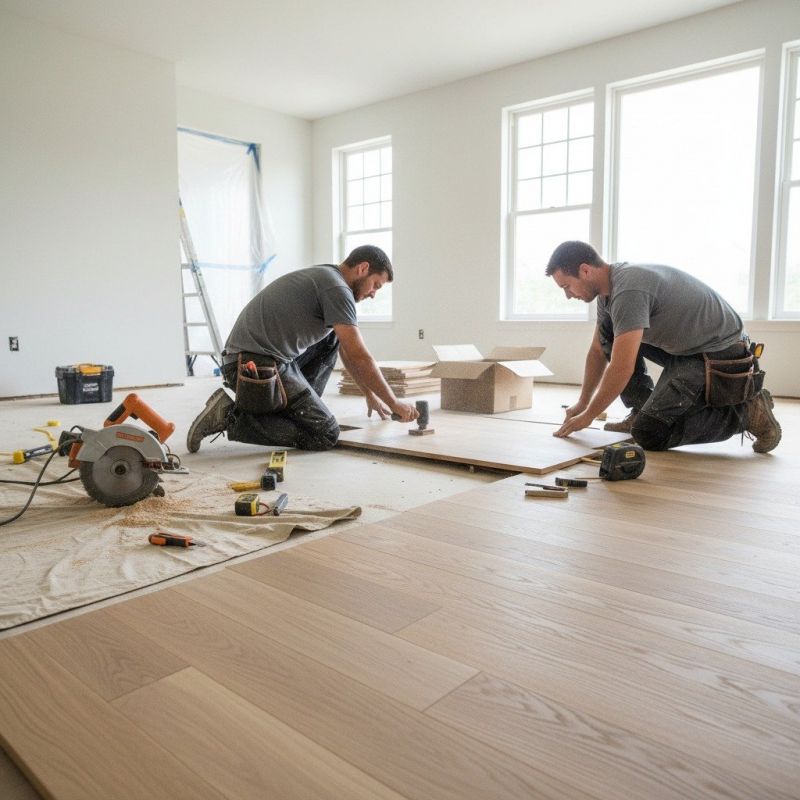
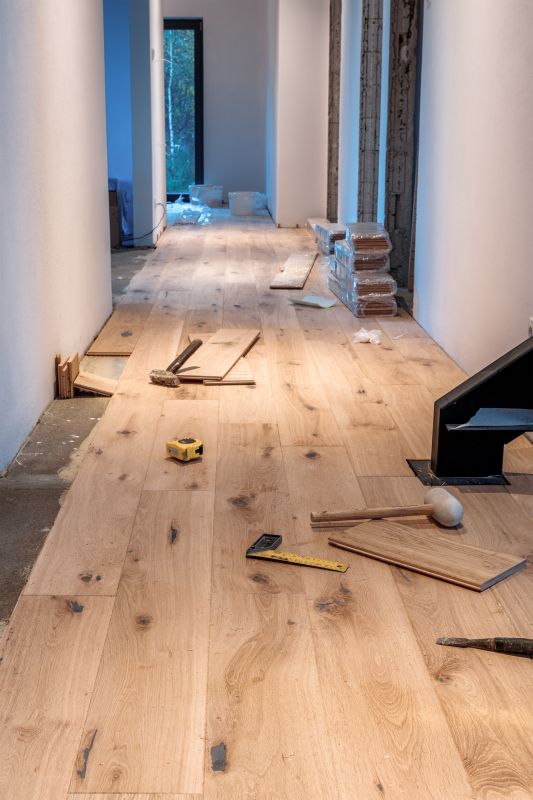
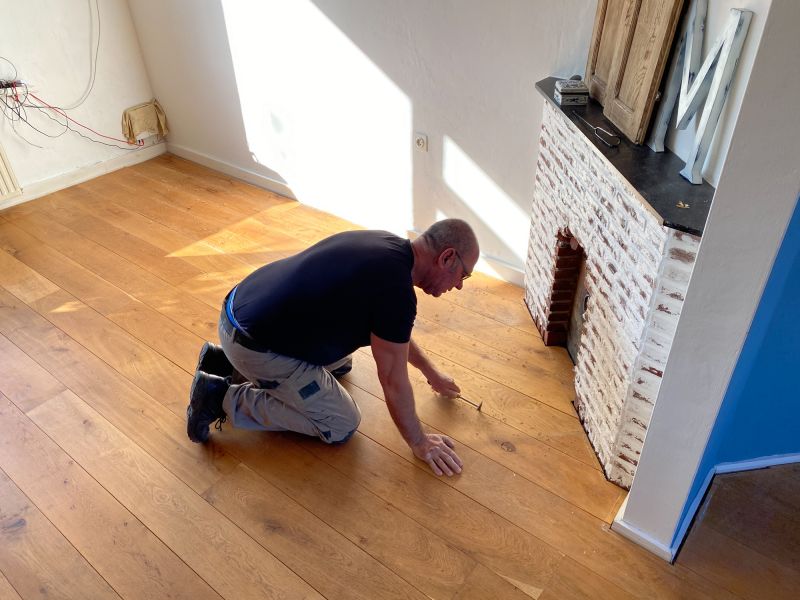
When people search for information about choosing the right wood species for hardwood floors installation, they are typically looking to understand how different types of wood can influence the look, durability, and overall feel of their flooring. This topic often comes up during planning stages of a home renovation or new construction, where homeowners want to ensure their flooring choices align with their lifestyle and aesthetic preferences. Many are concerned about how the wood will stand up to daily wear, moisture, and temperature changes, making it essential to select a species that balances appearance with longevity. Understanding these factors helps homeowners make informed decisions that will enhance the value and comfort of their property over time.
This subject is closely related to various property plans, including remodeling projects, upgrades, or new builds. Homeowners with high-traffic areas or homes with children and pets often focus on durability when choosing a wood species. Conversely, those seeking a specific style or color palette may prioritize appearance, which can vary widely among different types of wood. Properties such as single-family homes, condos, or townhouses each present unique considerations-like space constraints or existing décor-that influence the best wood options. Local contractors experienced in hardwood floor installation can provide valuable guidance to match the right species with the specific needs and characteristics of each property.
Choosing the right wood species also involves understanding the properties of different types of wood, such as hardness, grain pattern, and color. For example, oak is known for its strength and classic appearance, making it a popular choice for high-traffic areas, while softer woods like pine may be better suited for less demanding spaces or decorative purposes. Some species are more resistant to scratches, dents, and moisture, which can be critical for homes in humid climates or areas prone to spills. Homeowners should consider how each wood type will perform in their environment and how it will complement the overall design of their property. Local service providers specializing in hardwood flooring can help assess these factors and recommend the most suitable options.
Ultimately, selecting the right wood species for hardwood floors installation is about balancing aesthetic preferences with practical needs. Homeowners should think about the level of foot traffic, exposure to moisture, and the intended style of their space. Working with experienced local contractors ensures that the chosen wood is installed correctly and performs as expected over time. These professionals can also advise on maintenance and care tailored to the specific wood species, helping to preserve the beauty and integrity of the floors for years to come. Making an informed choice now can lead to a more satisfying and durable flooring result, aligning with the homeowner’s vision and the unique characteristics of their property.
Wood flooring refinishing projects - these projects require precise sanding and finishing skills similar to those needed for selecting the right wood species for hardwood floors installation to ensure a smooth, durable surface.
Custom staircases and railings - designing and installing stair components involves planning for wood types that match or complement flooring choices, making it relevant for choosing appropriate wood species.
Interior carpentry and trim work - installing moldings, baseboards, and other wood details requires knowledge of wood characteristics, aligning with selecting suitable species for flooring.
Subfloor preparation and leveling - ensuring a stable foundation for hardwood floors involves planning for proper subfloor conditions, which is essential when selecting the right wood for installation.
Engineered wood and laminate flooring installation - these projects often involve similar planning considerations for wood species and surface preparation as traditional hardwood flooring.
Flooring removal and surface prep - preparing existing floors for new installation involves assessing the substrate and choosing compatible wood species for a seamless finish.

When evaluating service providers for hardwood floor installation, it is important to consider their experience with similar projects, particularly those involving the specific wood species a homeowner is interested in. Contractors who have a proven track record working with a variety of hardwood types are more likely to understand the nuances of installation, finishing, and maintenance for different woods. Asking for examples of past work or references related to projects with similar wood choices can help gauge their familiarity and comfort with the material, ensuring the homeowner receives knowledgeable guidance and quality workmanship.
Clear and detailed written expectations are essential when choosing a contractor for hardwood floor installation. A reputable service provider should be able to outline the scope of work, including preparation, installation techniques, finishing options, and post-installation care. This transparency helps prevent misunderstandings and ensures that both parties are aligned on the project’s specifics. Homeowners should seek out contractors who communicate their process clearly and are willing to provide written estimates or proposals that specify the materials, methods, and timelines involved.
Good communication and reputable references are key indicators of a dependable service provider. Contractors who are responsive, willing to answer questions, and provide references from previous clients demonstrate professionalism and reliability. Speaking with past customers can offer insights into the contractor’s workmanship, punctuality, and ability to handle project details, including selecting and working with different wood species. Building a relationship with a contractor who communicates effectively and has a history of satisfied clients can contribute to a smoother installation process and a final result that meets expectations.
Property owners often search for choosing the right wood species for hardwood floors installation when they are planning practical projects around their homes and businesses. Local pros provide Hardwood Floor Installation services for everyday jobs and straightforward project options.
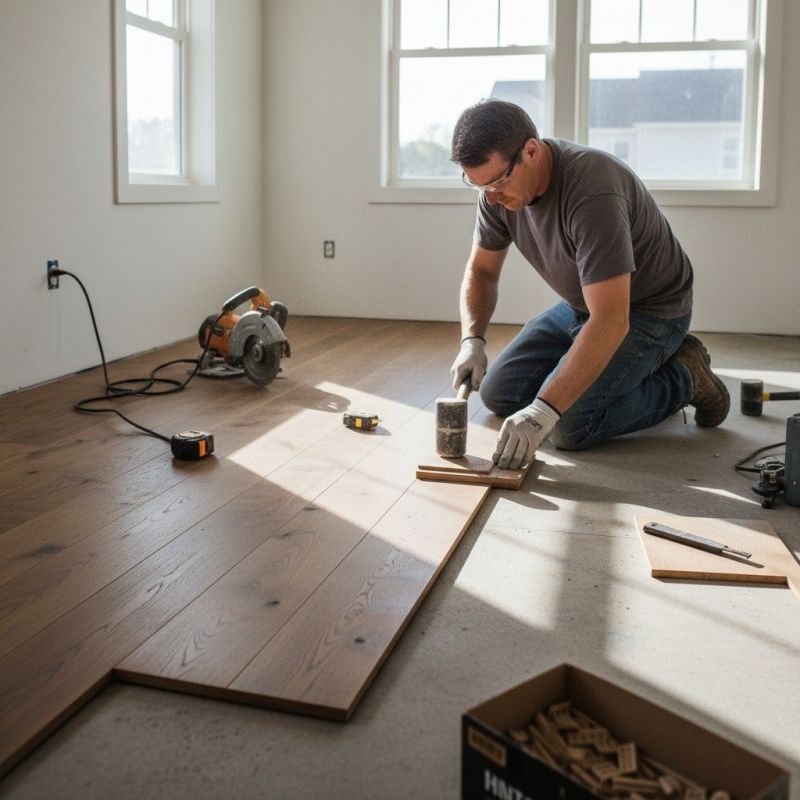

Homeowners considering hardwood floor installation often look into choosing the right wood species to match their lifestyle and aesthetic preferences. Factors such as durability, appearance, and maintenance needs are common considerations, especially for properties with high foot traffic or households with children and pets. Local contractors who specialize in hardwood flooring can provide valuable guidance on selecting a wood species that aligns with these practical aspects, ensuring the finished floor meets both style and performance expectations.
Many property owners also seek information on how different wood types respond to environmental conditions and daily use. Understanding the characteristics of various species helps in making an informed decision that minimizes future concerns like scratching, denting, or warping. Service providers in the area can assist in evaluating these factors and recommend suitable options, making the process of choosing the right wood species for hardwood floors installation more straightforward and tailored to individual needs.
What factors should be considered when choosing a wood species for hardwood floors installation? Factors such as durability, appearance, and how well the wood withstands foot traffic are important. Local contractors can help assess your space and recommend suitable options based on these considerations.
How does wood hardness impact the selection process for hardwood floors? The hardness of a wood species determines its resistance to dents and scratches. Experienced service providers can guide homeowners toward species that balance aesthetics with durability for their specific needs.
Are there specific wood species that are better suited for high-moisture areas? Some species are more resistant to moisture and humidity, making them ideal for areas like kitchens or basements. Local flooring experts can advise on the best options for such environments.
Can the appearance and color of different wood species influence the choice for hardwood floors? Yes, the visual characteristics of wood, including color and grain pattern, play a significant role. Service providers can showcase samples and help select a species that complements the interior decor.
How do local contractors assist in choosing the right wood species for hardwood floors installation? They evaluate the space, discuss preferences, and recommend species based on durability, appearance, and environmental conditions, ensuring the flooring meets the homeowner’s needs.
Consider durability for high-traffic areas - choosing the right wood species for hardwood floors installation involves selecting options that can withstand daily wear in busy spaces, with local contractors providing guidance on the best choices.
Match wood color and grain to interior style - selecting a wood species that complements existing decor can enhance the overall look, and local service providers can help identify suitable options.
Evaluate moisture resistance for specific environments - for areas prone to humidity or spills, choosing a moisture-resistant wood species is essential, and experienced contractors can recommend appropriate types.
Assess maintenance needs for long-term beauty - understanding how different wood species age and require upkeep allows property owners to choose options that fit their lifestyle, with local experts offering practical advice.
If you are thinking about choosing the right wood species for hardwood floors installation for a property, this guide is meant to help you understand this topic, the typical project types, and how different options might fit your plans.
When you are ready, you can use the quote form on this page to share a few details about your project. From there, local pros can review the basics and follow up with options that match what you have in mind.