General Flooring Options Explained: Hardwood, Vinyl, Laminate, and Carpet
People seeking flooring installation often want expert help to properly install hardwood, vinyl, laminate, or carpet, and local contractors can ensure a professional, lasting result.
Understanding the different types of flooring options available is an important step for property owners looking to enhance their spaces. Whether renovating a home or upgrading a commercial property, knowing the characteristics of hardwood, vinyl, laminate, and carpet can help inform better decisions suited to specific needs and lifestyles. Local contractors who specialize in flooring installation can provide valuable insights into how each option performs in various settings, ensuring that choices align with durability, style, and maintenance preferences.
Exploring general flooring options explained: hardwood, vinyl, laminate, and carpet, allows property owners to weigh practical considerations such as comfort, appearance, and longevity. Experienced service providers in the area can assist with expert installation, helping to bring these flooring choices to life while ensuring they are properly installed for lasting results. Keeping informed about these options empowers property owners to select the best flooring solutions for their spaces, with local professionals ready to support the process every step of the way.
- Hardwood flooring installation - when upgrading to durable and timeless flooring, local contractors can expertly handle the installation process to ensure a smooth finish.
- Vinyl flooring installation - for areas needing water-resistant and low-maintenance surfaces, service providers can install vinyl flooring efficiently and accurately.
- Laminate flooring installation - when seeking affordable, easy-to-install options that mimic natural materials, local pros can help achieve a professional look.
- Carpet installation - for comfort and insulation in bedrooms or living spaces, local contractors can provide precise carpet fitting and seam matching.
- General flooring options explained: hardwood, vinyl, laminate, and carpet, are all supported by local service providers experienced in handling diverse installation needs.
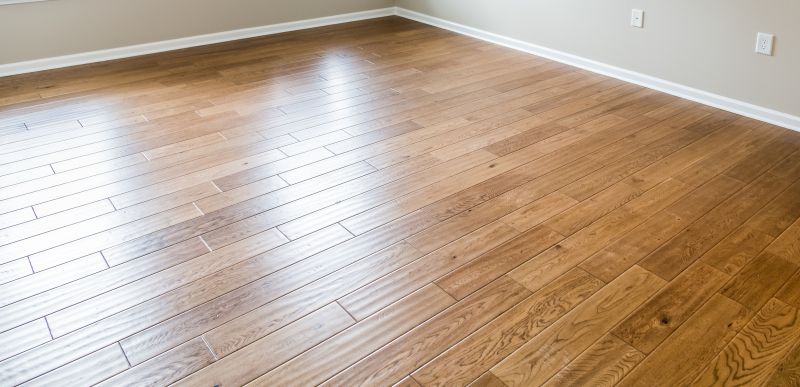
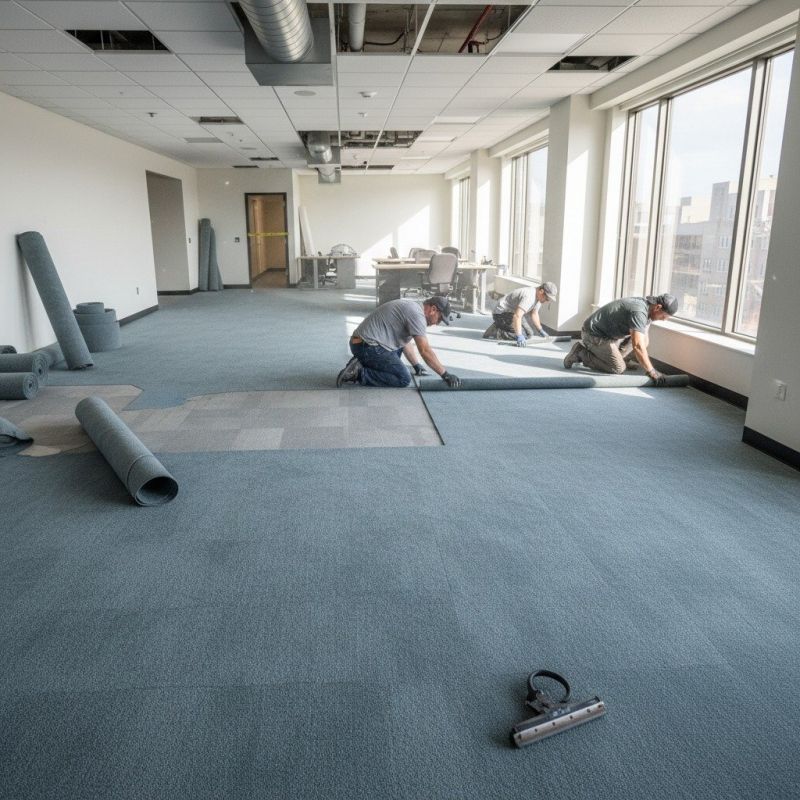
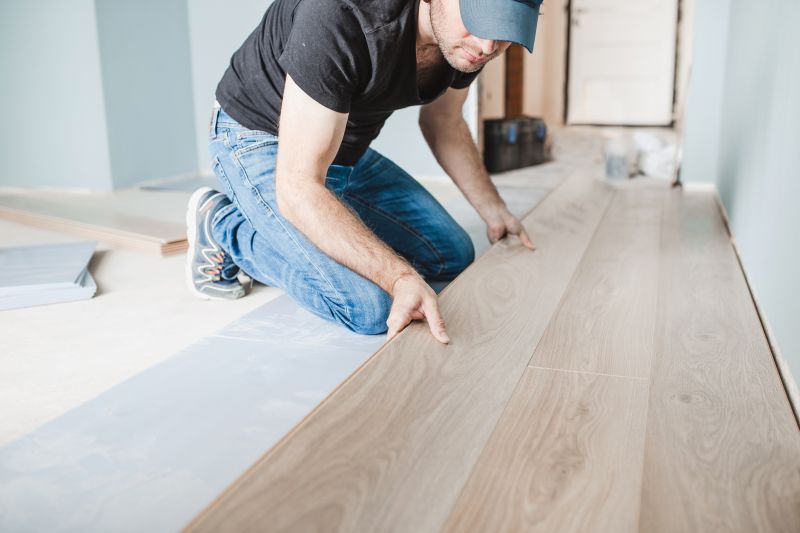
When researching general flooring options explained: hardwood, vinyl, laminate, and carpet, homeowners often seek information to help choose the best surface for their space. This topic typically comes up during renovation projects, new home builds, or when upgrading existing floors. Homeowners may be trying to solve problems related to durability, appearance, comfort, or maintenance needs. They often have specific plans in mind, such as creating a warm living room, a durable kitchen floor, or a cozy bedroom space. Understanding the different types of flooring helps homeowners make informed decisions that align with their lifestyle, aesthetic preferences, and the demands of each room.
Different properties present unique considerations when exploring flooring options. For example, high-traffic areas like hallways or entryways may require more durable surfaces such as vinyl or laminate, which can withstand frequent use and resist scratches. Bedrooms and living rooms often prioritize comfort and appearance, making hardwood or carpet appealing choices. Commercial spaces, rental units, or basements might lean toward vinyl or laminate for their affordability and ease of maintenance. Local contractors who specialize in flooring installation can assess the specific needs of each property type and recommend suitable materials, ensuring the chosen flooring performs well over time.
Homeowners often seek this information to plan their renovation projects or to understand what options are available for different rooms. They might be considering factors like longevity, ease of cleaning, comfort, or how well a floor will match their existing decor. For instance, someone replacing worn-out carpet in a family room may want a more resilient flooring option that can handle spills and heavy foot traffic. Others updating a basement might look for moisture-resistant solutions like vinyl or laminate. Connecting with experienced service providers can help clarify these choices and ensure proper installation, which is key to maximizing the lifespan and appearance of the new flooring.
Local flooring installation professionals play a crucial role in turning these general options into a practical, lasting solution. They can help homeowners understand the pros and cons of each flooring type in relation to their specific property and lifestyle. These service providers bring expertise in preparing subfloors, selecting the right materials, and executing the installation properly. Working with local pros ensures that the chosen flooring is installed correctly, which can prevent issues such as uneven surfaces or premature wear. For homeowners, partnering with knowledgeable local contractors simplifies the decision-making process and helps achieve a finished result that meets their expectations for style, durability, and comfort.
Subfloor Preparation - proper subfloor leveling and surface prep are essential skills shared with hardwood and laminate flooring installations, ensuring a stable foundation for various flooring types.
Flooring Removal and Disposal - removing old flooring materials and preparing the space is a common task that overlaps with installing new vinyl, carpet, or hardwood floors.
Measuring and Layout Planning - precise measurements and layout planning are critical steps that service providers use across all flooring projects to ensure proper fit and appearance.
Underlayment Installation - installing underlayment for soundproofing, moisture barrier, or added comfort is a key part of many flooring upgrades, including laminate and vinyl options.
Surface Repairs and Patching - repairing subfloor damage or imperfections is necessary to prepare for a smooth, even finish in any flooring installation project.
Material Handling and Safety - safely handling flooring materials and using proper tools are skills shared by local contractors working on hardwood, carpet, vinyl, or laminate flooring jobs.

When comparing local contractors for flooring installation, it is important to consider their experience with similar projects, particularly those involving the specific types of flooring being considered, such as hardwood, vinyl, laminate, or carpet. An experienced service provider will have a proven track record of handling the unique challenges and installation requirements associated with each flooring option. Homeowners should inquire about the types of projects the contractor has completed in the past to ensure they have relevant expertise, which can contribute to a smoother installation process and a more satisfactory outcome.
Clear written expectations are essential when choosing a flooring installation service. Reputable local contractors will provide detailed estimates that outline the scope of work, materials to be used, and the timeline for completion. This transparency helps prevent misunderstandings and ensures that both parties are aligned on what the project entails. Homeowners should also ask for a written outline of the installation process and any preparations needed before work begins, fostering a shared understanding and setting the stage for a successful project.
Good communication and reputable references are key indicators of reliable service providers. Homeowners are encouraged to ask for references from previous clients who have had similar flooring projects completed. Speaking with past customers can offer insights into the contractor’s professionalism, responsiveness, and quality of work. Additionally, service providers who communicate clearly and promptly throughout the consultation process are more likely to deliver a positive experience. Establishing open lines of communication helps ensure that questions are addressed efficiently and that expectations remain clear from start to finish.
Property owners often search for general flooring options explained: hardwood, vinyl, laminate, and carpet when they are planning practical projects around their homes and businesses. Local pros provide Flooring Installation services for everyday jobs and straightforward project options.

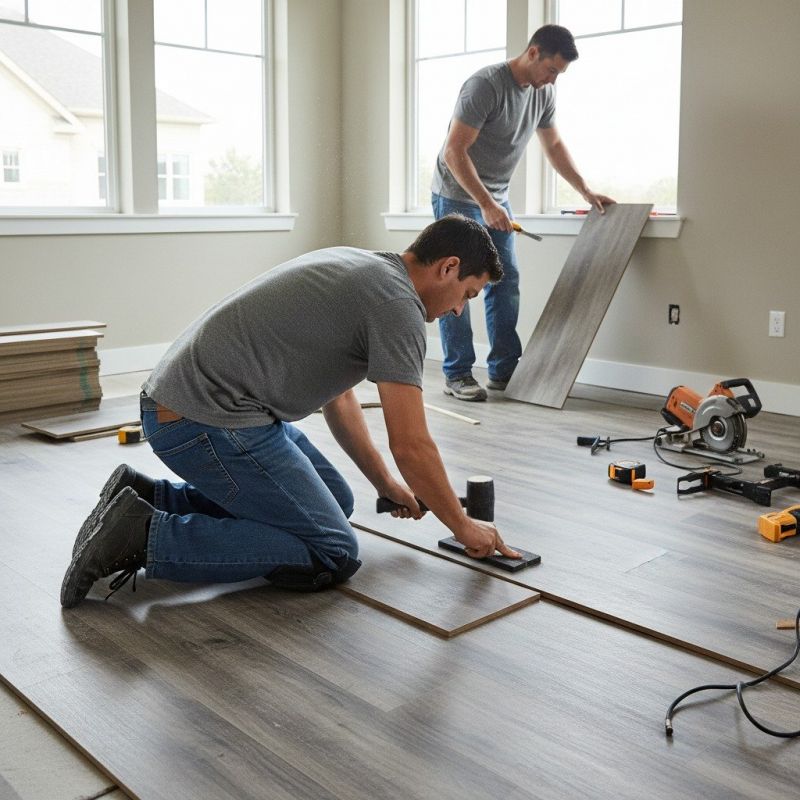
Understanding the different types of flooring options is a common step for property owners considering updates or renovations. Homeowners might look into hardwood, vinyl, laminate, and carpet to determine which material best suits their lifestyle, aesthetic preferences, and the specific needs of their space. For example, those seeking a durable, timeless look might explore hardwood flooring, while families with pets or children might consider the practicality of vinyl or laminate options. Property owners often turn to local contractors who specialize in flooring installation to help evaluate these choices, ensuring the selected material aligns with their daily routines and long-term goals.
When it comes to installing new flooring, many property owners prefer to work with experienced local service providers who can handle the job efficiently and professionally. Whether the goal is to refresh a living room with plush carpet, upgrade a kitchen with resilient vinyl, or add warmth with hardwood, local contractors can provide guidance on the best installation methods for each type. They also help ensure that the chosen flooring is properly installed for durability and appearance, making it easier for property owners to enjoy their new floors for years to come.
What are the main differences between hardwood, vinyl, laminate, and carpet flooring? Hardwood flooring is made of solid wood or engineered wood, offering natural beauty and durability. Vinyl flooring is a synthetic material that is water-resistant and easy to maintain. Laminate flooring mimics wood or stone looks with a photographic layer and a protective top coat. Carpet provides soft, insulating surface options in various textures and styles. Local contractors can help determine which option best suits specific needs and preferences.
How durable is each type of flooring in high-traffic areas? Hardwood can be durable but may scratch or dent over time, especially in busy areas. Vinyl flooring is highly resistant to moisture and wear, making it suitable for high-traffic spaces. Laminate flooring offers good resistance to scratches and impacts, though it can be susceptible to water damage if not properly sealed. Carpet durability depends on the fiber type and pile height, with low-pile options generally standing up better to heavy use. Local service providers can advise on the best choices for durability based on usage.
Which flooring options are easiest to install? Vinyl and laminate flooring are often considered easier to install due to their click-lock systems and less intensive preparation. Carpet installation can be straightforward but may require padding and stretching for a seamless look. Hardwood flooring installation is more involved, often requiring precise subfloor preparation and acclimation. Local contractors can assess the space and recommend the most practical installation options for specific environments.
Are there flooring options suitable for allergy sufferers? Hard surfaces like hardwood, vinyl, and laminate are generally easier to keep allergen-free compared to carpet, which can trap dust and pet dander. Vinyl and laminate floors are resistant to mold and allergens, making them good choices for allergy-sensitive environments. Carpet may require frequent cleaning to reduce allergen buildup. Service providers can help identify flooring solutions that support healthier indoor air quality.
What maintenance is required for different flooring types? Hardwood flooring benefits from regular sweeping and occasional refinishing. Vinyl and laminate floors are low-maintenance, needing only regular sweeping and damp mopping. Carpet requires regular vacuuming and occasional deep cleaning to maintain appearance and hygiene. Local pros can provide guidance on proper maintenance routines tailored to each flooring type to ensure longevity and appearance.
Hardwood flooring installation can enhance the elegance of living rooms and bedrooms, with local contractors providing expert guidance on selecting and fitting the right type for each space. Vinyl flooring options are practical for kitchens and bathrooms, offering water resistance and durability, with service providers ready to handle the installation process. Laminate flooring solutions are suitable for high-traffic areas, providing a cost-effective way to achieve a stylish look, with local pros managing the setup efficiently. Carpet installation is ideal for cozy bedrooms and family rooms, with local contractors helping to choose the right textures and ensuring proper fitting for comfort and safety.
If you are thinking about general flooring options explained: hardwood, vinyl, laminate, and carpet for a property, this guide is meant to help you understand this topic, the typical project types, and how different options might fit your plans.
When you are ready, you can use the quote form on this page to share a few details about your project. From there, local pros can review the basics and follow up with options that match what you have in mind.